
The programme below outlines the draft agenda for the 7th IEF–EU Energy and Climate Day Forum, to be held on 25 November 2026 at the International Energy Forum Headquarters in Riyadh.
The agenda is structured around the Forum’s core themes of energy security, industrial competitiveness and climate delivery, and will be updated as preparations progress. Speaker confirmations and any programme refinements will be announced in due course.
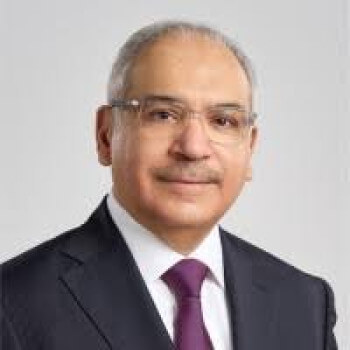
- H.E. Jassim Al Shirawi
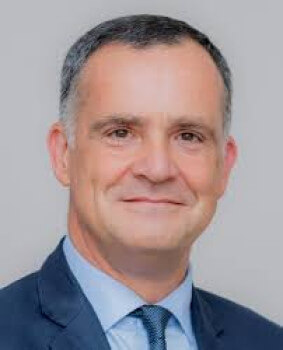
Secretary General, International Energy Forum - H.E. Mr. Christophe Farnaud
Ambassador of the European Union to the Kingdom of Saudi Arabia, the Kingdom of Bahrain and the Sultanate of Oman - Senior Representative
Ministry of Energy, Kingdom of Saudi Arabia
EU–Saudi and EU–GCC Energy Cooperation: From Energy Trade to Strategic Industrial Partnership
Indicative speakers
- Senior Representative, European Commission
Commissioner / Director-General / Director level, subject to availability - Senior Representative, Ministry of Energy, Kingdom of Saudi Arabia
Ministerial-level participation to be explored, subject to availability - Senior Representative, International Energy Forum
The keynote dialogue will set the strategic framework for the Forum. It will explore how evolving energy systems, geopolitical risks, clean industrial policy and climate commitments are reshaping EU–Saudi and EU–GCC relations from traditional energy trade toward long-term industrial, technological and investment partnerships.
The discussion will address:
- the role of energy security and market stability in enabling credible energy transitions;
- how affordability and competitiveness can be integrated into climate and energy policy;
- the EU’s evolving clean industrial and climate policy framework;
- Saudi Arabia and the GCC’s role in global energy security and low-carbon technology deployment;
- opportunities for implementation-oriented cooperation between EU and GCC public and private actors.
Presenter
- Senior Representative, International Energy Forum
This spotlight presentation will introduce key findings from the IEF report Empowering Sustainable Futures – MENA NDCs Climate Action and highlight their relevance for EU–GCC and wider EU–MENA cooperation.
The presentation will focus on MENA’s role in global energy and climate transitions, regional progress in renewables, hydrogen, CCUS and carbon management, and the practical enablers needed for delivery, including finance, technology, MRV systems, resilience and international cooperation.
The session will provide an evidence-based bridge between the IEF’s analytical work and the Forum’s wider discussions on implementation, investment and partnership.
This panel session will examine how geopolitical uncertainty, market volatility and supply-chain pressures are reshaping the energy transition agenda for the EU, Saudi Arabia and the wider GCC.
It will explore how energy security, affordability and industrial competitiveness can be advanced alongside decarbonisation, and how producer–consumer dialogue can support stable markets, resilient infrastructure and investment certainty.
Key discussion points:
- maintaining energy security and affordability while accelerating the energy transition;
- strengthening producer–consumer dialogue to support market stability;
- linking industrial competitiveness with climate ambition;
- building resilience across fuel, electricity and clean-technology supply chains;
- identifying EU–GCC cooperation opportunities in policy, markets, infrastructure and investment.
This session will examine how carbon performance is becoming a core factor in industrial competitiveness, market access, investment decisions and long-term trade relations.
It will explore the implications of CBAM, carbon pricing, carbon markets, Article 6 cooperation, MRV systems, certification, CCUS and the Circular Carbon Economy, with a focus on energy-intensive sectors such as steel, cement, chemicals, aluminium, refining and petrochemicals.
The discussion will consider how EU and GCC stakeholders can work together on credible carbon accounting, transparent standards, low-carbon industrial value chains and practical investment opportunities.
Key discussion points:
- how CBAM, carbon pricing and carbon accounting are reshaping industrial competitiveness and market access;
- practical EU–GCC cooperation on MRV, certification and low-carbon standards;
- the role of carbon markets and Article 6 in supporting credible emissions reduction projects;
- how CCUS and CO₂ infrastructure can help decarbonise hard-to-abate sectors;
- how Circular Carbon Economy approaches can support pragmatic and scalable transition pathways;
- opportunities for EU–Saudi/GCC cooperation on low-carbon products, standards and investment cases.
This session will examine how EU–Saudi and EU–GCC cooperation can move from project announcements to bankable clean-energy value chains.
The discussion will focus on hydrogen, sustainable fuels, critical raw materials, clean technology manufacturing, grids, storage, port infrastructure, certification, offtake and finance.
It will explore what is needed to secure credible demand, reduce project risk, mobilise investment and build commercially viable partnerships between EU, Saudi and GCC public and private actors.
Key discussion points:
- moving hydrogen, sustainable fuels and clean molecule projects from pilot stage to commercial scale;
- aligning certification, standards and offtake structures;
- strengthening infrastructure for clean-energy trade, including ports, grids, storage and pipelines;
- identifying cooperation opportunities in critical raw materials, processing, recycling and clean technology manufacturing;
- using public finance, export credit, guarantees, sovereign capital and private investment to reduce project risk;
- developing practical partnerships between EU companies and Saudi/GCC stakeholders.